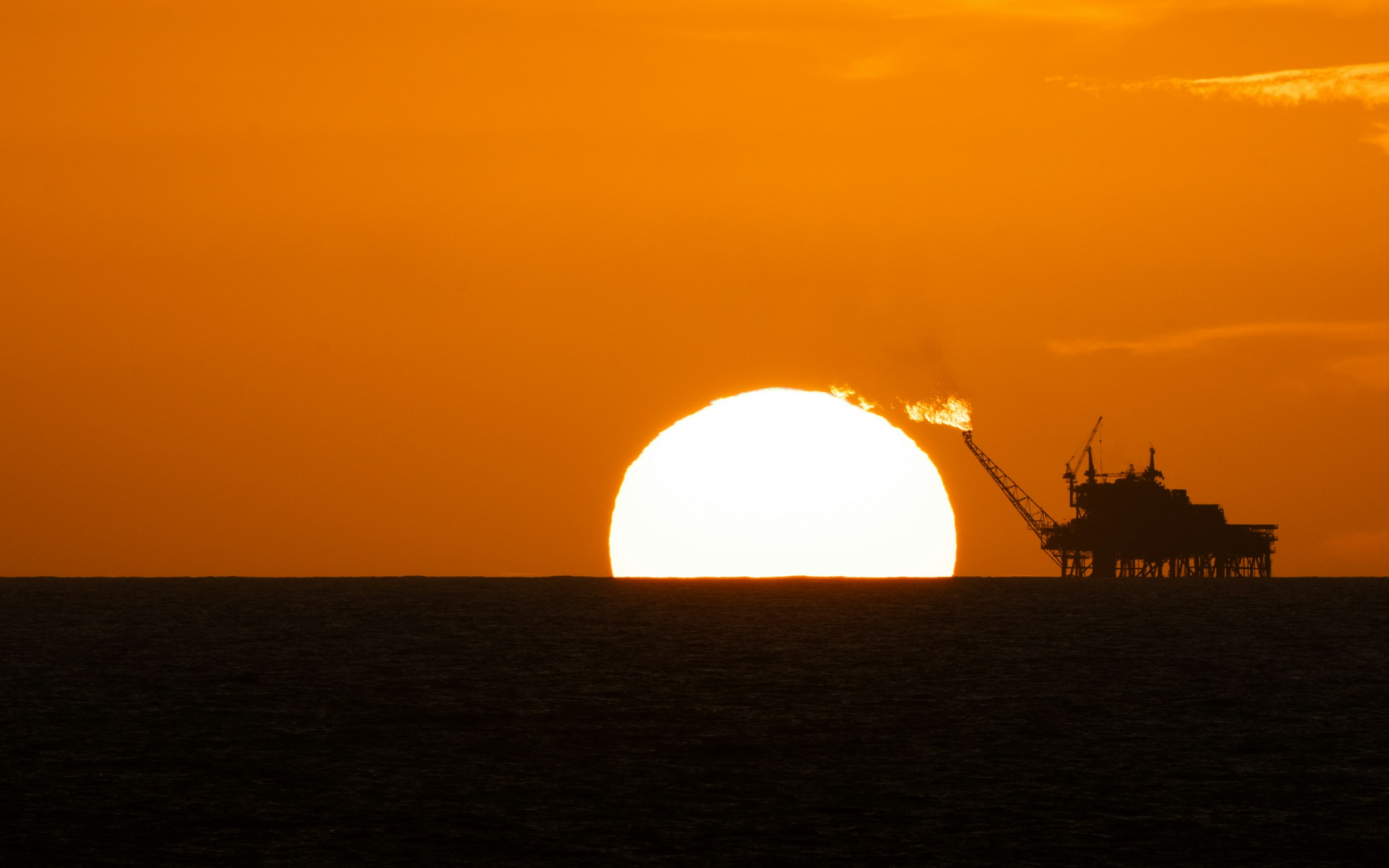
ProducingDeepwater
Santos Basin, Brazil 24°52′S 42°41′W
Pre-salt FPSO that reached 100 million barrels 23 months after first oil.
- Capacity
- 180 kbbl/d
- Water depth
- 2,140 m
- Interest
- 60%
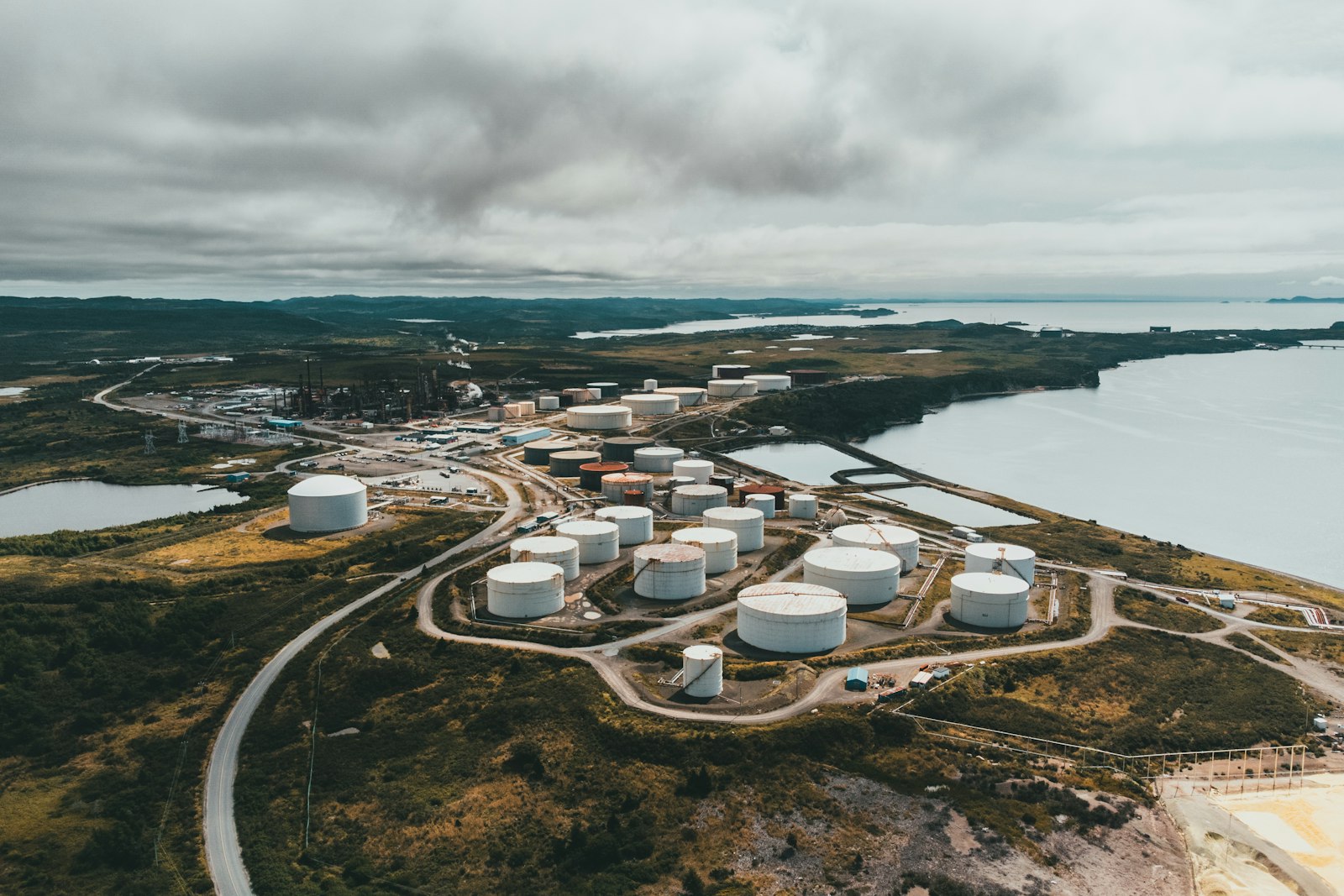
Deepwater oil, LNG, refining, wind and carbon storage, each tested to pay back at $45 Brent and to fit our 2030 emissions targets. This is where our capital goes between now and 2030.
Filter by segment or search by basin, country or status. Select any project to open its specification sheet, partners and milestones.
Santos Basin, Brazil 24°52′S 42°41′W
Pre-salt FPSO that reached 100 million barrels 23 months after first oil.
Pilbara, Western Australia 20°36′S 116°48′E
A second liquefaction train lifts our Pilbara site to 7.6 mtpa, with first cargo due in Q1 2027.
Central North Sea, UK 57°36′N 0°54′E
Will store CO₂ from Scottish and English industry 2,600 m below the seabed from 2027.

Permian Basin, Texas, USA 31°54′N 102°06′W
Long-lateral wells and electric frac fleets, with the lowest methane intensity in our portfolio.
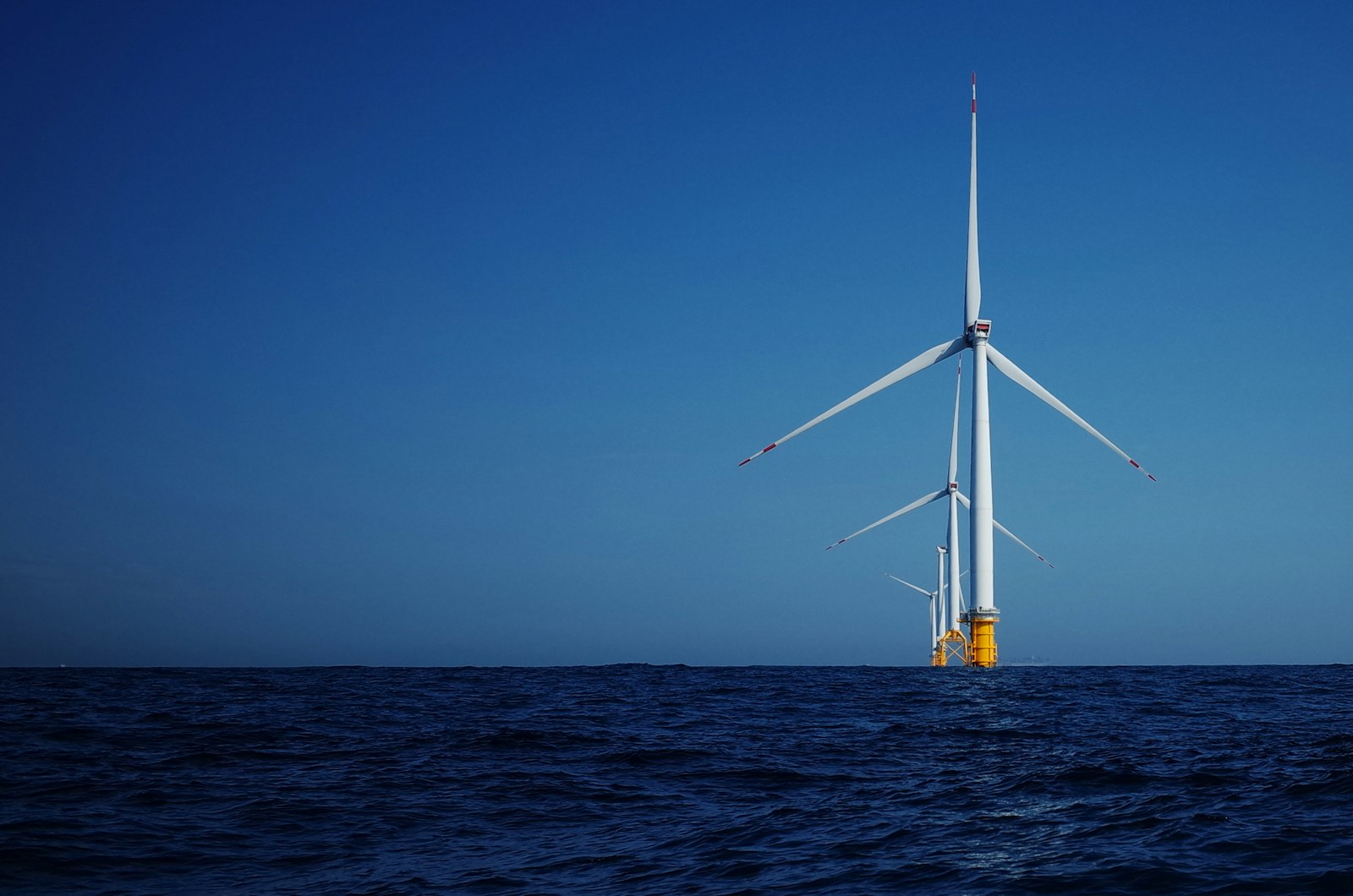
Southern Baltic Sea 54°54′N 14°36′E
A 30% stake in 1.1 GW of offshore wind, contracted to power our Port Arden refinery.

Abu Dhabi, UAE 23°36′N 53°42′E
Two new sour gas trains came online in September 2026, two months early and under budget.
Northern North Sea, UK 61°06′N 1°24′E
A 142 km power cable from Shetland will replace the platform's gas turbines in 2027.
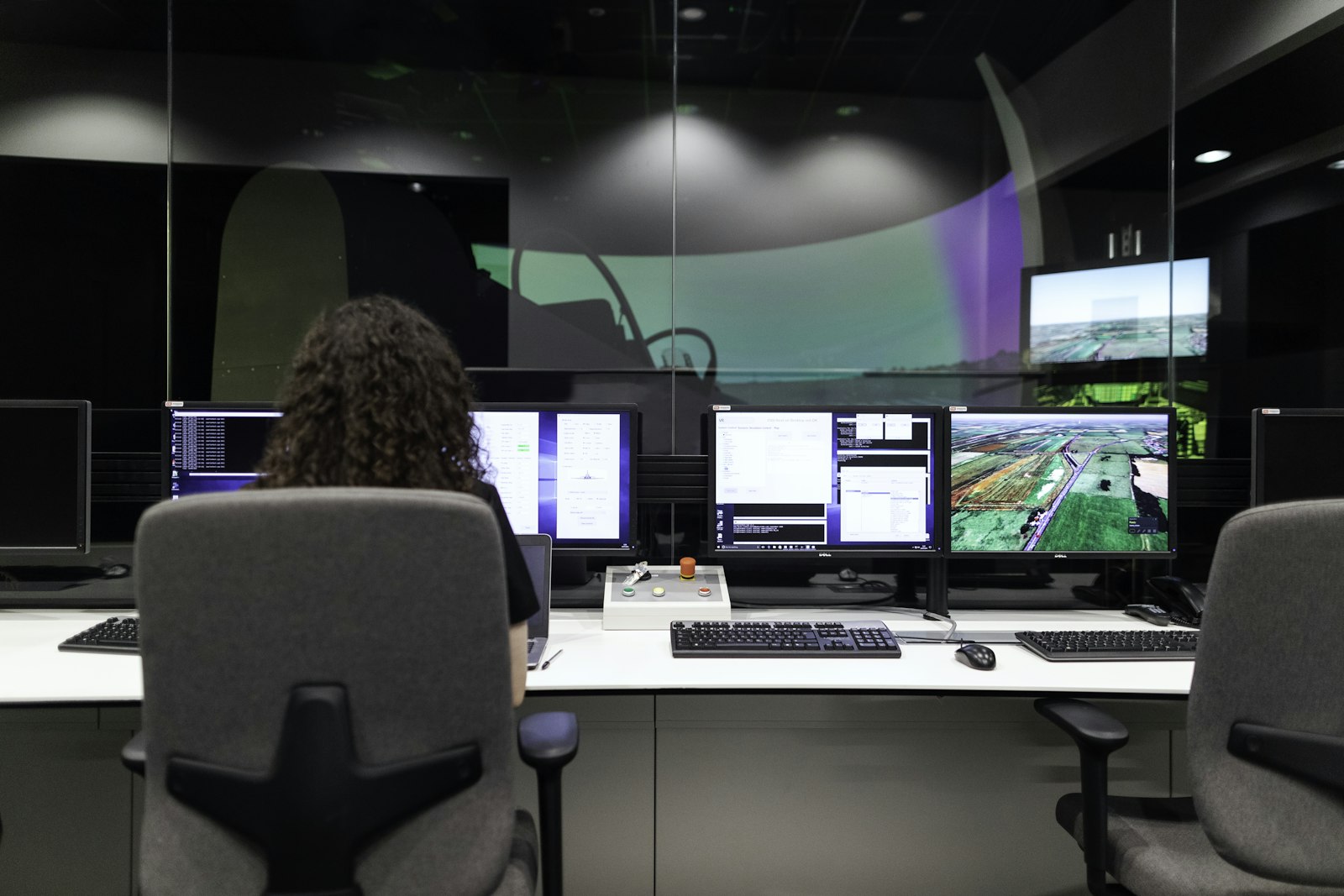
Offshore Suriname 7°54′N 55°06′W
Two oil discoveries from 2025, now being appraised for a possible FPSO development.
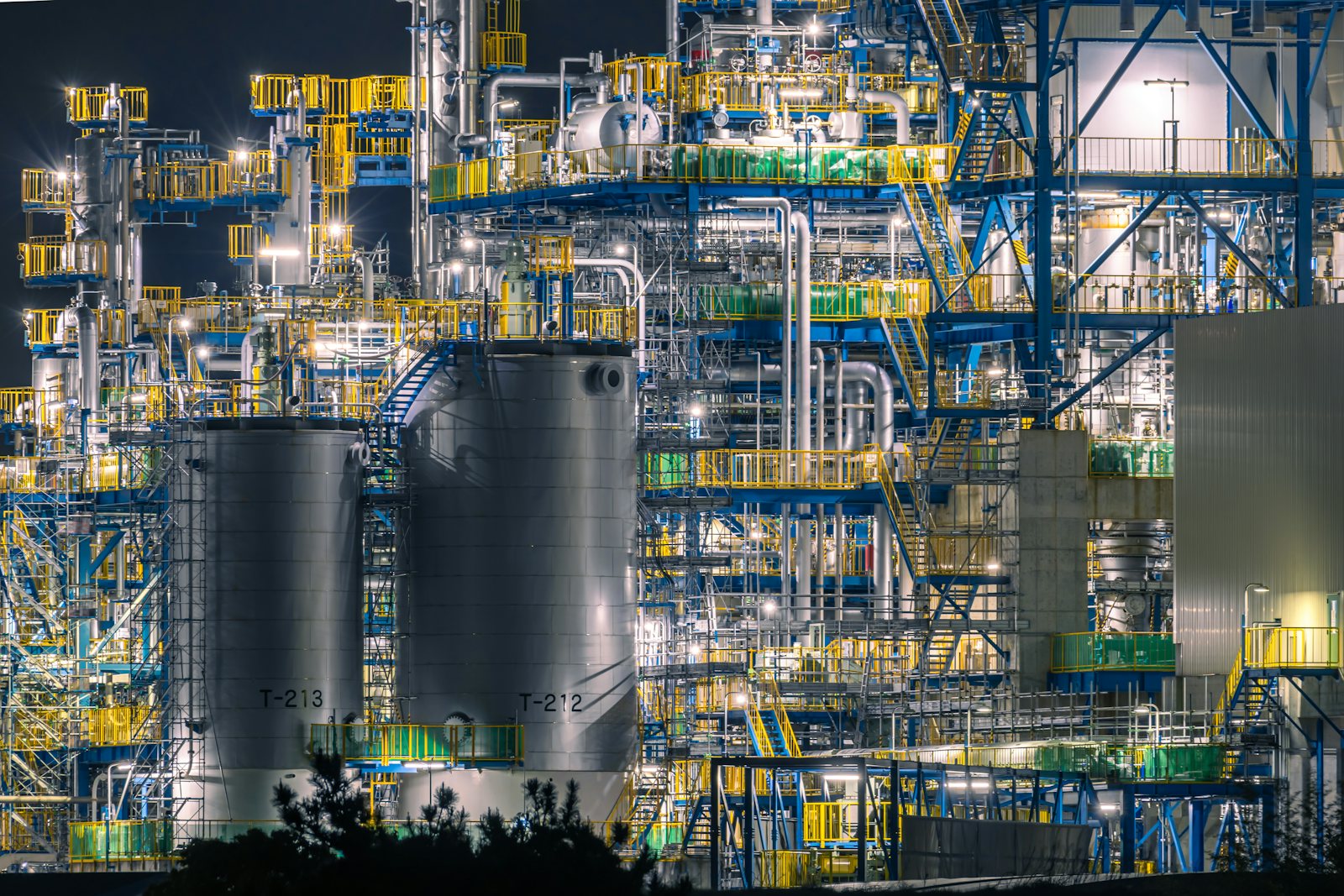
Rotterdam, Netherlands 51°57′N 4°06′E
A second unit adds 18 kbbl/d of renewable diesel and sustainable aviation fuel.

Coastal Bend, Texas, USA 27°44′N 97°08′W
Our second CCS hub, storing CO₂ from Bayshore and neighbouring plants in saline sandstone.
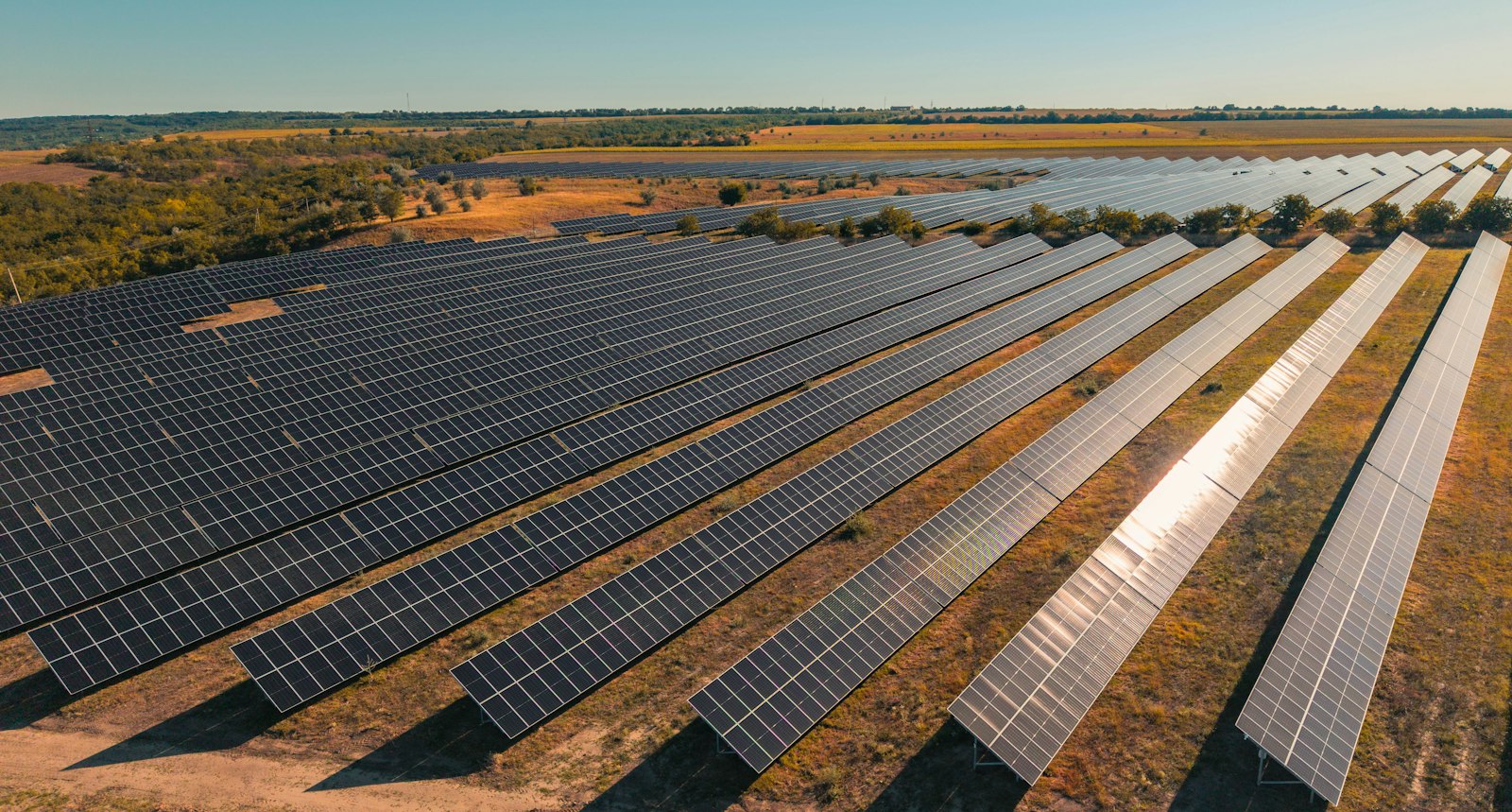
Al Wusta, Oman 19°36′N 57°42′E
Solar power and battery storage that supply our oil and gas operations in central Oman.

Norwegian Sea, Norway 65°54′N 7°36′E
Eight infill wells from existing templates to hold the gas-condensate field at plateau.
No projects match that search.
Try a basin, a country or a status such as “FEED”, or show the whole portfolio again.
Al Noor came online in September. Corvina Train 2, Skerry Point and Tern follow in 2027. Dates after October 2026 are plans that depend on partner approval and regulatory consent.
Scroll sideways to see the full schedule
| Project | Appraisal or FEED | FID | Construction | Start-up | Producing or operating from |
|---|---|---|---|---|---|
| Corvina LNG Train 2 | Completed 2023 | Feb 2024 | Mar 2024 – Aug 2026 | Sep 2026 – Feb 2027 | Mar 2027 |
| Skerry Point CCS | Jan 2024 – Jun 2026 | 14 Oct 2026 | Oct 2026 – Sep 2027 | Oct – Dec 2027 | Jan 2028 |
| Tern electrification | Jan 2024 – Apr 2025 | May 2025 | May 2025 – Sep 2027 | Oct – Dec 2027 | Jan 2028 |
| Baltic Wind JV | Jan 2024 – Jan 2025 | Feb 2025 | Feb 2025 – Dec 2027 | Jan – Jun 2028 | Jul 2028 |
| Fenris infill drilling | Jan 2026 – Apr 2027 | May 2027 (planned) | May 2027 – Jun 2028 | Jul – Dec 2028 | Jan 2029 |
| Port Arden renewable diesel | Apr 2026 – Jul 2027 | Aug 2027 (planned) | Aug 2027 – Sep 2029 | Oct 2029 – Mar 2030 | Apr 2030 |
| Gulf Coast storage hub | Jan 2026 – Oct 2027 | Nov 2027 (planned) | Nov 2027 – Jun 2030 | Jul – Dec 2030 | Jan 2031 |
| Saramacca development | Appraisal Jan 2026 – Jun 2028 | Jul 2028 (planned) | Jul 2028 – Dec 2031 | Jan – Jun 2032 | Jul 2032 |
Schedule as of October 2026. Hover over or tap a bar for its dates. Planned dates are updated with each quarterly result.
Case study
Our largest operated asset produces from a pre-salt reservoir in 2,140 metres of water off Brazil. It started up on schedule, came in 4% under budget and reinjects all of its associated gas.
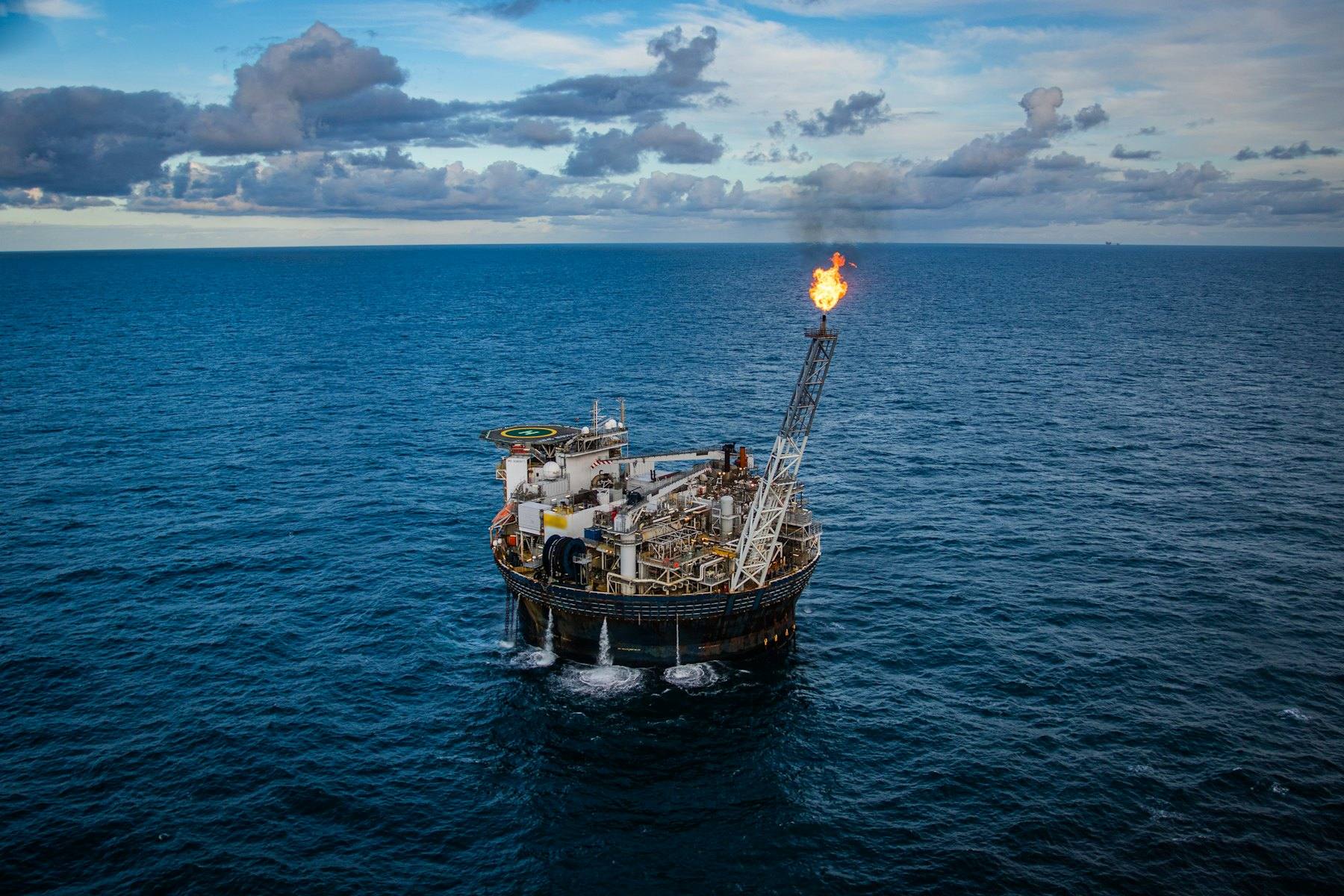
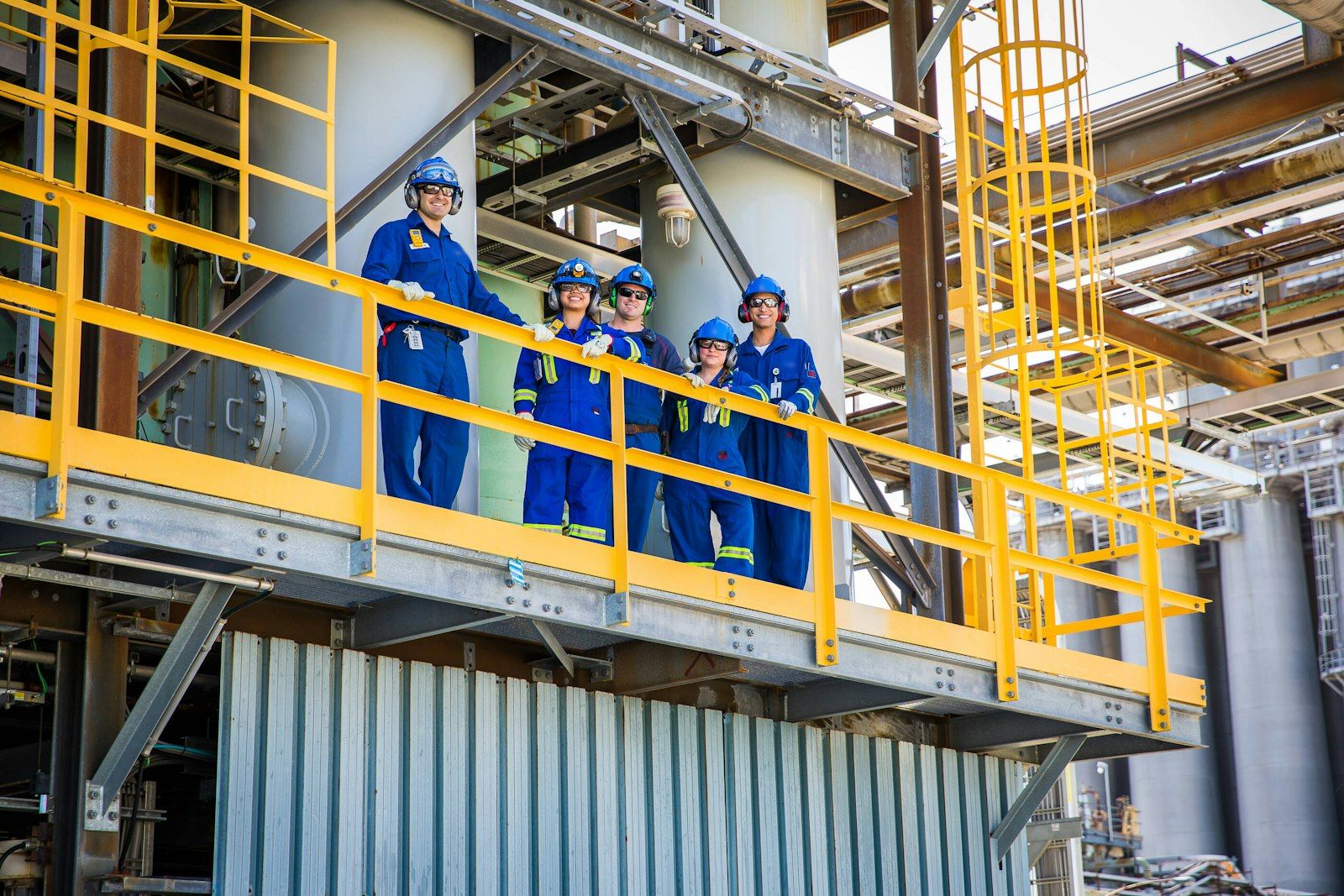
We brought the offshore operations team into the project two years before first oil. Their reviews took 14 pieces of rotating equipment off the topsides and moved routine inspection to remote sensors, so fewer people work offshore and fewer things can fail.
Commissioning ran from one digital model shared by our engineers in Rio de Janeiro, the conversion yard and the operations centre in Houston. Halcyon reached its 180 kbbl/d plateau seven months after first oil and has held 90-day uptime above 98% since.
Sanctioned at a $45 Brent break-even with partners Atlântica Petróleo and Kestrel Upstream.
The converted hull left the yard with topsides modules installed and pre-commissioned.
Production began on the date set at sanction, 45 months after FID.
Output reached 180 kbbl/d with all associated gas reinjected.
Cumulative production passed 100 million barrels, 23 months after start-up.
The people who run Halcyon helped design it, and you can see that in the uptime. Every FPSO we sanction from now on will be built the same way.
Since 2018 we have started up 15 major projects. Thirteen came in on or ahead of schedule, and across all 15 the final cost was 3% below the budgets approved at FID.
87% on schedule
Major projects started up on or ahead of schedule since 2018
13 of 15 start-ups
−3% vs FID
Average cost variance against the sanctioned budget
Nominal dollars, 2018–2026
58% local
Share of project spend with suppliers in the host country
Projects sanctioned since 2020
0lost-time incidents
In 9.2 million hours of Corvina LNG Train 2 construction
Mar 2024 – Aug 2026
Measured against the schedule and budget approved at FID
| Project | Segment | Start-up | Schedule | Cost vs budget |
|---|---|---|---|---|
| Al Noor expansion | Sour gas, Abu Dhabi | Sep 2026 | 2 months early | −6% |
| Halcyon FPSO | Deepwater oil, Brazil | Mar 2024 | On schedule | −4% |
| Sable Gas phase 2 | Offshore gas, Egypt | Nov 2023 | 1 month early | −5% |
| Kauri subsea tieback | Deepwater oil, US Gulf | Aug 2022 | On schedule | −2% |
| Montney Gas phase 3 | Onshore gas, Canada | Apr 2022 | On schedule | −3% |
| Port Arden renewable diesel unit | Refining, Netherlands | Jun 2021 | 2 months late | +3% |
| Corvina LNG Train 1 | LNG, Australia | Dec 2019 | On schedule | −4% |
| Heron Deepwater FPSO | Deepwater oil, Nigeria | Jul 2019 | 4 months late | +6% |
We choose contractors for their safety record first, then hold them to the same schedule, cost and emissions targets we report to our board.
Fabricators, installers and drilling contractors join our teams during FEED, so they can challenge the design while changes are still cheap to make.
Part of each contractor's margin depends on schedule, safety and emissions results, and it is paid at the same milestones we report to investors.
Every host country has a supplier development plan. On projects sanctioned since 2020, 58% of spend has gone to companies based in that country.
Selected contractors on current projects
Listed alphabetically
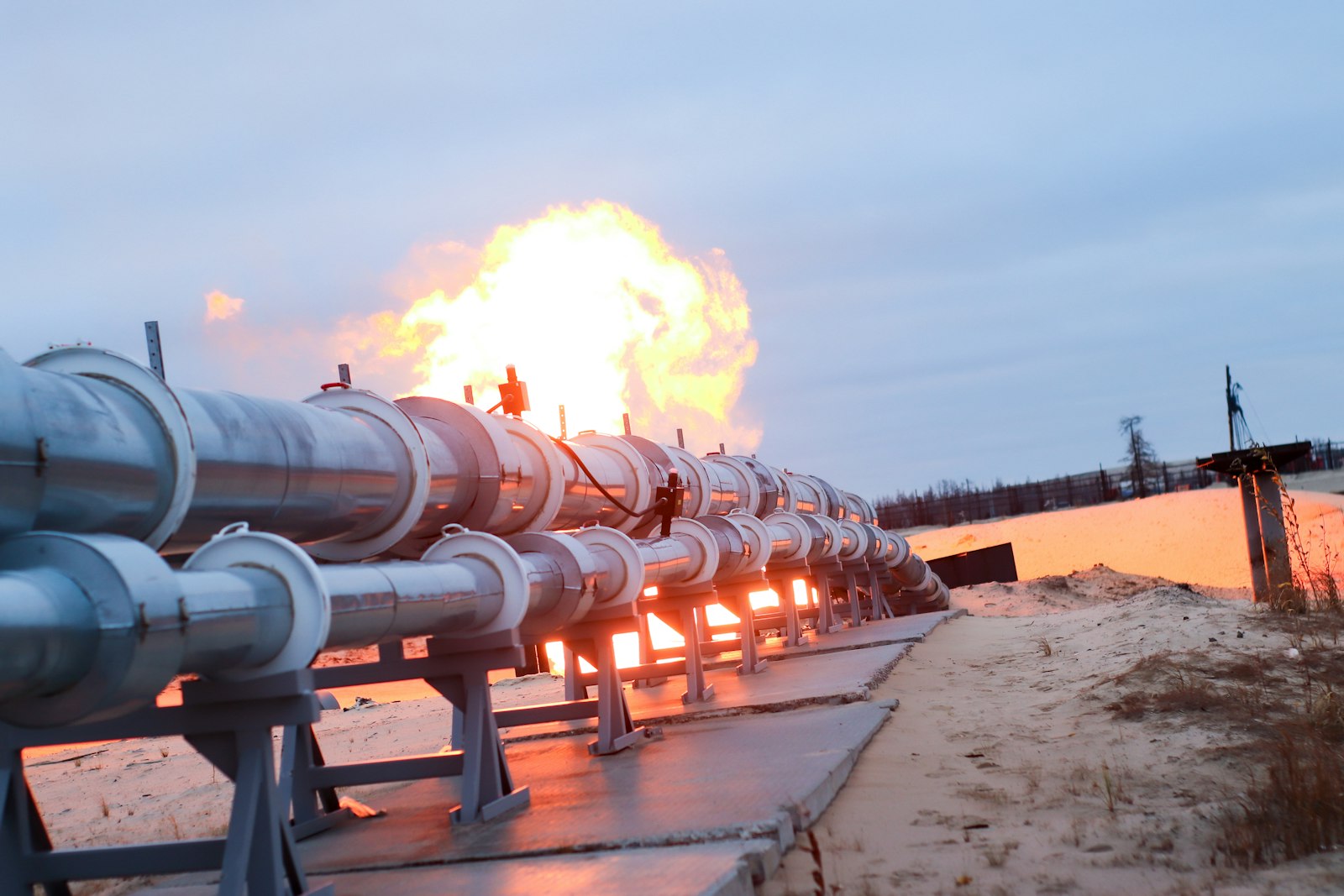
We are qualifying suppliers now for Skerry Point, the Gulf Coast storage hub and Port Arden. Register once and our procurement teams in Houston, Aberdeen and Perth can find you.