Contact us

Arkhos Center, 2100 Westheimer Ridge, Houston, TX 77056

+1 (713) 555-0142

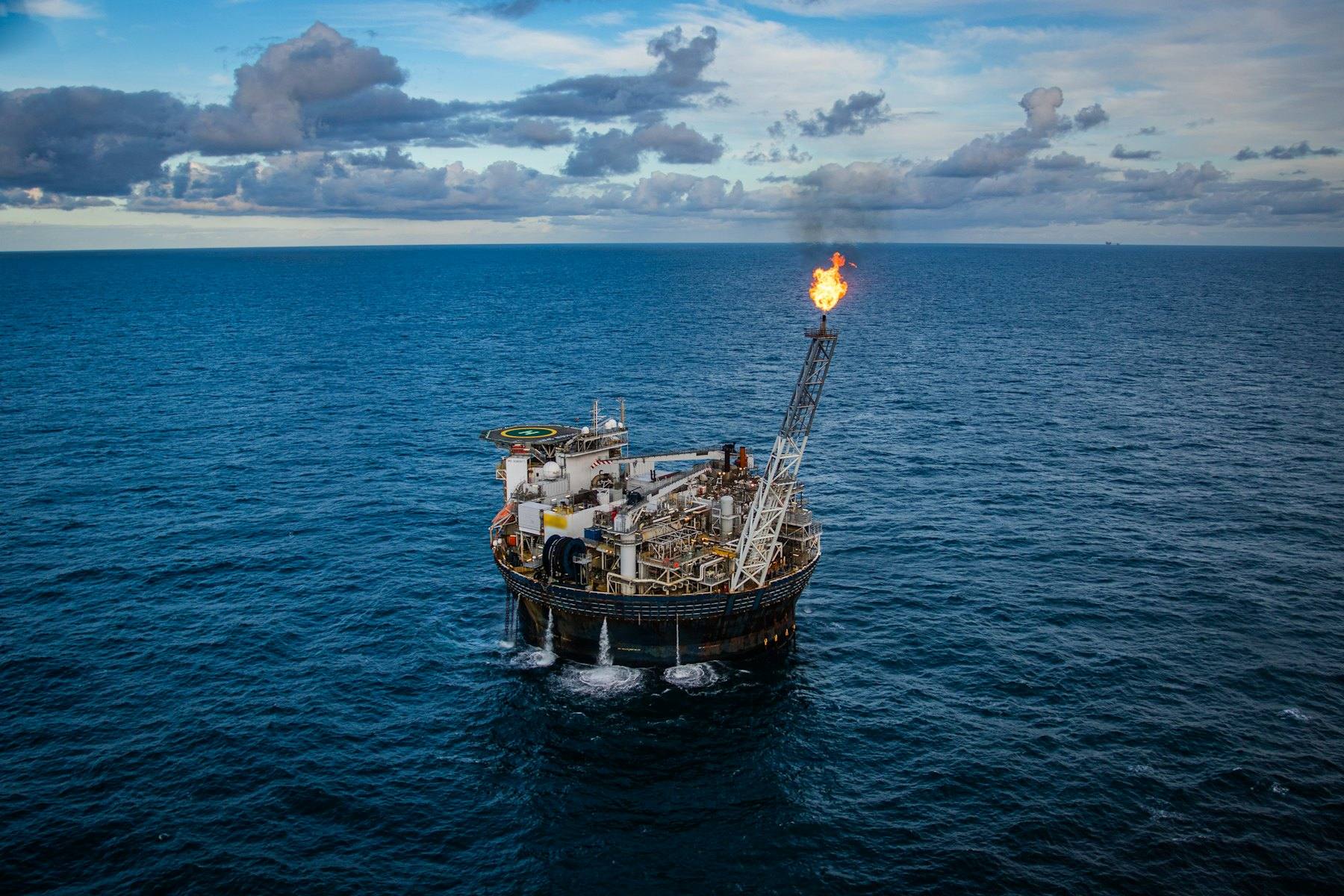
Aerial view of a cylindrical floating production unit at sea with its flare burning
  1. Home
  2. Operations

Operating across the full value chain.

We find oil and gas, move it, refine it and sell it, and we are building the low-carbon businesses that come next. Every stage runs to one standard for safety, reliability and emissions.

842kboe/dProduction, 2025
14.5mtpaLNG capacity
960kbbl/dRefining capacity
6,800kmPipelines operated
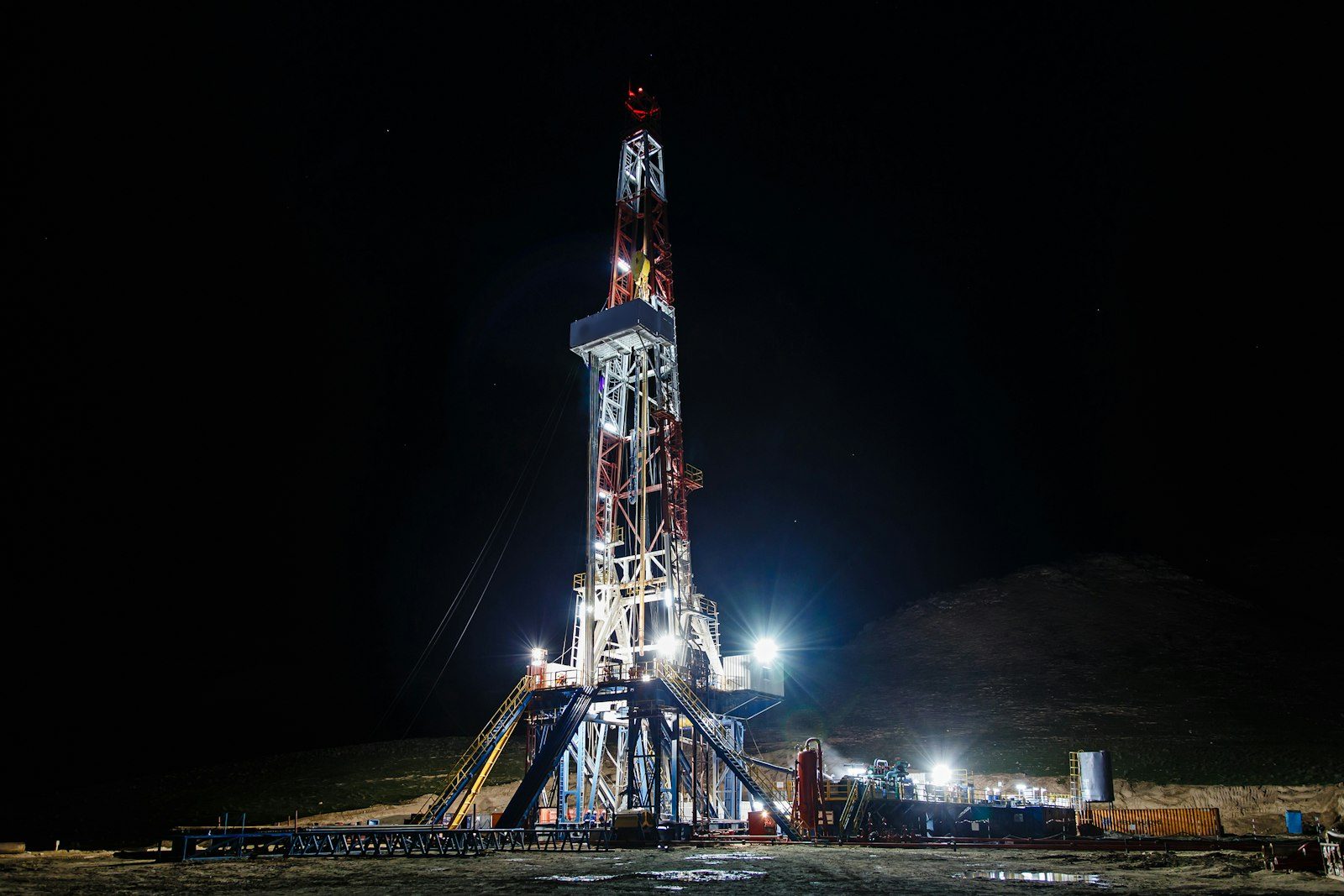
Onshore drilling rig lit up at night
Basalt Ridge, Permian Basin31°54′N 102°06′W

Upstream

Fourteen producing hubs, from pre-salt deepwater to the Permian.

We explore for and produce oil and natural gas in deepwater, on the continental shelf and onshore. In 2025 our fields delivered 842 kboe/d, 54% of it oil and 46% gas.

The portfolio pairs long-life offshore hubs, which produce for decades from a small number of high-rate wells, with short-cycle onshore plays where we can change the drilling pace within months. Every new development must be resilient at $45 Brent and meet our 2030 emissions targets before it reaches a final investment decision.

Production, 2025
842 kboe/d
Oil and gas mix
54% / 46%
Proved reserves
6.4 bn boe
Reserve life
11.2 years
Producing hubs
14
Deepest operated
2,140 m water

Twelve assets in four regions, 842 kboe/d net to Arkhos.

Net output is the Arkhos share of average 2025 production, with gas converted at 6,000 standard cubic feet per barrel of oil equivalent. The ten producing assets run our 14 hubs: Basalt Ridge has three central processing facilities, and Montney and Al Noor have two gas plants each. Scroll the table sideways to see every column.

Arkhos upstream assets by region, with location, type, Arkhos interest, 2025 net output and status
Asset Location Type Arkhos interest Net output 2025, kboe/d Status
Americas387 kboe/d · 46% of production
Halcyon FPSO24°52′S 42°41′W Santos Basin, Brazil Deepwater, pre-salt oil 60%Operator 104 Producing
Basalt Ridge31°54′N 102°06′W Permian Basin, USA Onshore, unconventional oil 88%Operator, average 212 Producing
Kauri Deepwater26°54′N 90°12′W US Gulf, deepwater Deepwater, subsea hub 45%Operator 30 Producing
Montney Gas56°12′N 120°48′W British Columbia, Canada Onshore, liquids-rich gas 35%Partner 41 Producing
Saramacca Block7°54′N 55°06′W Offshore Suriname Frontier exploration 50%Operator Pre-production Appraisal
Europe152 kboe/d · 18% of production
Tern Field61°06′N 1°24′E Northern North Sea, UK Shelf, subsea tieback 75%Operator 56 Producing
Fenris Field65°54′N 7°36′E Norwegian Sea Offshore, gas-condensate 52%Operator 96 Producing
Middle East and Africa202 kboe/d · 24% of production
Al Noor Gas23°36′N 53°42′E Abu Dhabi, UAE Onshore, sour gas 40%Partner 66 Producing
Heron Deepwater3°36′N 6°36′E Offshore Nigeria Deepwater, FPSO 45%Operator 50 Producing
Sable Gas32°06′N 31°36′E East Nile Delta, Egypt Offshore gas 50%Operator 86 Producing
Asia Pacific101 kboe/d · 12% of production
Corvina Fields13°54′S 123°18′E Browse Basin, Australia Offshore gas for LNG 65%Operator 101 Producing
Sulu Deep Block6°48′N 115°24′E Offshore Sabah, Malaysia Deepwater gas exploration 60%Operator Pre-production Exploration
Total net production, 2025 842 54% oil · 46% gas

Exploration

Finding the resources we will produce in the 2030s.

Exploration wells, 2025
11
Commercial success, 2021–25
41%
Seismic processed, 2025
1.6 PB

Seismic imaging

Our Houston imaging centre processed 1.6 petabytes of seismic data in 2025. Ocean-bottom node surveys and full-waveform inversion sharpen the picture beneath thick salt, where most of our deepwater targets sit.

Frontier basins

We operate two frontier blocks: Saramacca offshore Suriname and Sulu Deep offshore Sabah, Malaysia. Both sit on trends where nearby wells have already proved a working petroleum system, which lowers the geological risk.

Appraisal

Saramacca delivered two discoveries in 2025. Appraisal wells and a drill-stem test in 2026 are measuring the size of the accumulations and how they flow, ahead of a development concept decision.

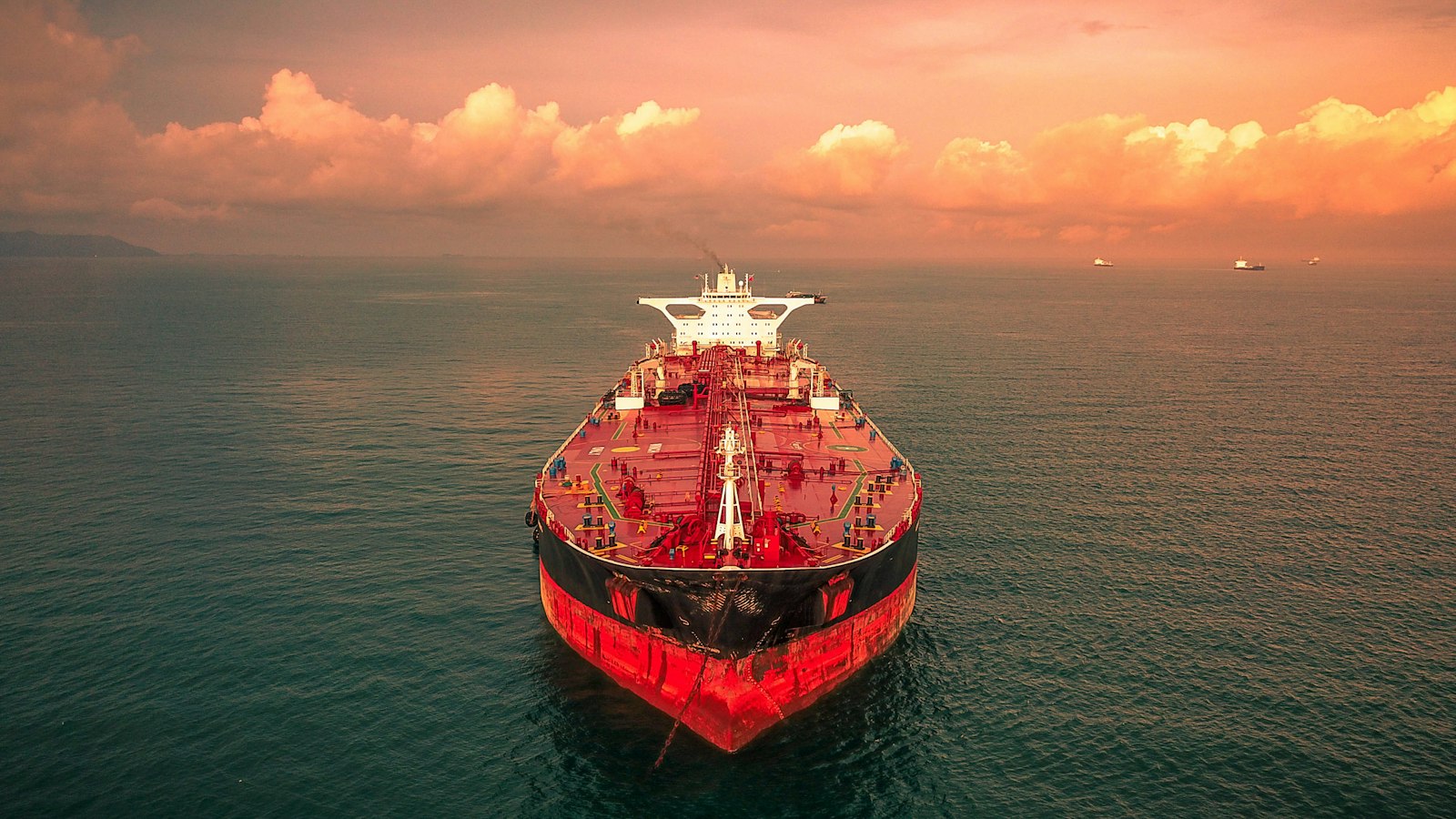
Crude oil tanker under way on a calm sea at sunset
Halcyon crude cargoSantos Basin to Corpus Christi

Midstream and LNG

Moving oil and gas from remote fields to the markets that need them.

Pipelines, tankers, gas plants and two LNG export plants connect our resources in South America, North America and Australia to buyers in Asia and Europe.

Our LNG portfolio reaches 14.5 mtpa when the second Corvina train starts in the first quarter of 2027. The third quarter of 2026 brought record LNG volumes, with Corvina running above nameplate capacity. We operate 6,800 km of oil and gas pipelines, and chartered tankers carry Halcyon crude from Brazil to our Bayshore refinery in Texas.

LNG capacity
14.5 mtpa
Liquefaction trains
5
Pipelines operated
6,800 km
Cargoes loaded, 2025
142
Long-term contracted
84%
Carriers on charter
12

The LNG value chain

Six steps from a Browse Basin well to a customer in Tokyo.

Gas phase Liquid at −162 °C
  1. Gas field

    Subsea wells in the Corvina Fields produce gas and condensate. Condensate is separated offshore and sold as a light crude.

    Gas · 380 m water depth

  2. Pipeline

    An 880 km trunkline on the seabed carries dry gas to the Pilbara coast at pressures up to 150 bar.

    Gas · 880 km trunkline

  3. Liquefaction

    The plant strips out CO₂, water and mercury, then refrigerant cycles cool the gas until it condenses to 1/600 of its volume.

    Cooled to −162 °C

  4. Shipping

    Membrane carriers of 174,000 m³ load about 75,000 tonnes each. The voyage from the Pilbara to Tokyo Bay takes around nine days.

    Liquid · 0.1% boil-off a day

  5. Regasification

    At the receiving terminal, seawater vaporisers warm the liquid back into gas and send it into the transmission grid.

    Gas · sent out at 70 bar

  6. Customer

    Power stations, factories and city gas networks in Japan, Korea and Singapore buy the gas, mostly under long-term contracts.

    Gas · power, industry, homes

Two export plants, five trains, 14.5 mtpa.

Train bars share one scale, from 0 to 7.6 million tonnes a year, so the two plants can be compared directly.

Pilbara, Western Australia20°36′S 116°48′E

Train 2 commissioning

Corvina LNG

Gas from the Corvina Fields in the Browse Basin arrives through an 880 km trunkline. Train 2, powered partly by on-site solar, lifts capacity to 7.6 mtpa from the first quarter of 2027.

Trains
2
Capacity
7.6 mtpa
Arkhos equity
65%
Train 2 start-up
Q1 2027
Main markets
Japan, Korea, Singapore
Feed gas
Corvina Fields

Louisiana, USA29°48′N 93°06′W

Operating

Calder Point LNG

Three trains on the Louisiana Gulf Coast take pipeline gas from the Haynesville and Permian basins. Most cargoes sail to northwest Europe, including regular deliveries into Rotterdam.

Trains
3
Capacity
6.9 mtpa
Arkhos equity
50%
First LNG
2019
Main markets
Northwest Europe
Feed gas
Haynesville, Permian
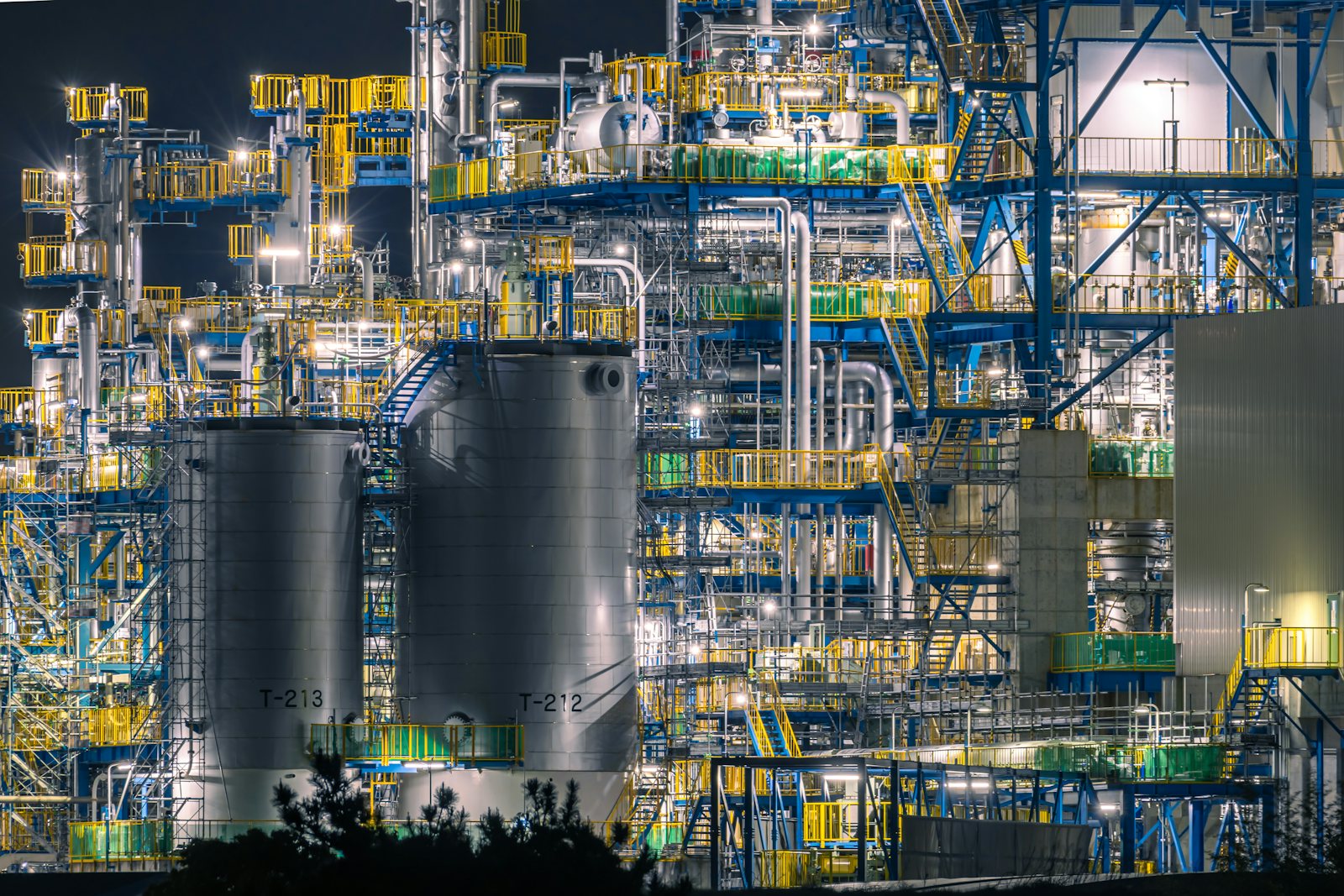
Refinery process units illuminated at night
Bayshore refineryCorpus Christi · 27°49′N 97°24′W

Refining and marketing

Three complex refineries, close to the customers they serve.

Bayshore, Port Arden and Jurong turn 960 kbbl/d of crude into fuels, lubricants and petrochemical feedstocks for the Americas, Europe and Asia.

High conversion capacity lets us run heavier, lower-cost crudes and turn more of each barrel into diesel, jet fuel and gasoline. Our trading teams move crude and products between the three sites and our own retail network, so each barrel goes where it earns the most.

Refining capacity
960 kbbl/d
Nelson complexity
11.0 average
Utilisation, 2025
93%
Renewable diesel
20 kbbl/d
Trading desks
Houston, Singapore
Branded retail sites
2,300

Our refineries

960 kbbl/d across three sites.

Bars show each refinery's share of total Arkhos crude distillation capacity.

Corpus Christi, Texas27°49′N 97°24′W

Bayshore

420kbbl/d

Our largest and most complex site runs heavy sour crude alongside Permian light oil, and exports products across the Americas from its own deepwater dock.

Nelson complexity
12.1
Key units
Delayed coker, FCC, hydrocracker, alkylation
Main products
Gasoline, ultra-low-sulphur diesel, jet, propylene

Rotterdam, Netherlands51°57′N 4°06′E

Port Arden

310kbbl/d

Supplies northwest Europe by pipeline, barge and ship. A 20 kbbl/d renewable diesel unit has run since 2021, and from 2028 the Baltic Wind JV will supply the site's power.

Nelson complexity
10.4
Distinctive unit
Renewable diesel, 20 kbbl/d, since 2021
Main products
Diesel, jet, renewable diesel, bitumen

Jurong Island, Singapore1°16′N 103°41′E

Jurong

230kbbl/d

Our Asian hub combines refining with 4.2 million barrels of tank storage, supplying jet fuel, low-sulphur marine fuel and aromatics to markets across the region.

Nelson complexity
9.6
Storage
4.2 million bbl
Main products
Jet, marine fuels, paraxylene, diesel

What happens inside a crude distillation column.

Crude is heated to about 360 °C and fed near the bottom of the column. Vapour rises and cools, and each fraction condenses on the trays at its own boiling range. Hover over, focus or tap a cut to highlight it.

Cooler Hotter Furnace
≈ 360 °C
Crude in
Diagram of an atmospheric crude distillation column. Crude oil passes through a furnace, is heated to about 360 °C and enters the column near the bottom. The column is coolest at the top and hottest at the bottom. Six cuts are drawn off, from top to bottom: LPG below 30 °C, naphtha and gasoline at 30 to 180 °C, kerosene and jet at 180 to 240 °C, diesel at 240 to 320 °C, gasoil at 320 to 370 °C, and residue above 370 °C from the base.

Typical yield from a medium sour crude, % of barrel by volume

  • LPG

    Below 30 °C · C3–C4

    Propane and butane leave the top of the column as vapour. At Bayshore, butanes feed the alkylation unit to make high-octane gasoline blendstock.

    2% of barrel
  • Naphtha / gasoline

    30–180 °C · C5–C10

    Light naphtha is isomerised and heavy naphtha reformed to raise octane for gasoline. At Jurong, heavy naphtha also feeds the paraxylene plant.

    19% of barrel
  • Kerosene / jet

    180–240 °C · C10–C14

    Hydrotreated to remove sulphur and tested for freezing point, this cut becomes Jet A-1 for airlines and kerosene for heating.

    13% of barrel
  • Diesel

    240–320 °C · C14–C20

    Hydrotreating brings sulphur below 10 ppm for road diesel. At Port Arden it is blended with renewable diesel made from waste fats and oils.

    16% of barrel
  • Gasoil

    320–370 °C · C20–C25

    Too heavy to sell as it is, gasoil goes to the hydrocracker or the fluid catalytic cracker, which break it into diesel, jet and gasoline.

    10% of barrel
  • Residue

    Above 370 °C · C25+

    The bottom of the barrel goes to vacuum distillation and the delayed coker. Bayshore's coker is the main reason for its Nelson complexity of 12.1.

    40% of barrel

Retail and marketing

2,300 branded sites, supplied from our own refineries.

Our forecourts in the US Gulf Coast, the Benelux countries, Singapore and Malaysia sell fuel from Bayshore, Port Arden and Jurong. More of them now offer EV fast charging and renewable diesel blends, and commercial fleets buy fuel through Arkhos fuel cards.

2,300sites

Branded retail sites in four markets

Retail and fleet sales
168 kbbl/d
EV fast-charging sites
540
Customers a day
1.9 million
Fleet card accounts
38,000

Low-carbon solutions

New energy businesses built on skills we already have.

Storing CO₂ uses our reservoir knowledge. Offshore wind uses our marine engineering. Renewable diesel uses our refineries. In 2025 we invested $1.6 billion in these businesses, 11% of our capital spending.

Read our transition plan
Industrial pipework and valves

Carbon storageCentral North Sea, UK

Skerry Point CCS

CO₂ captured at industrial sites in Scotland and northern England will be stored 2,600 m below the seabed in a depleted gas reservoir. We took the final investment decision on 14 October 2026.

Phase one 5 Mtpa CO₂Injection 2027Partners 3

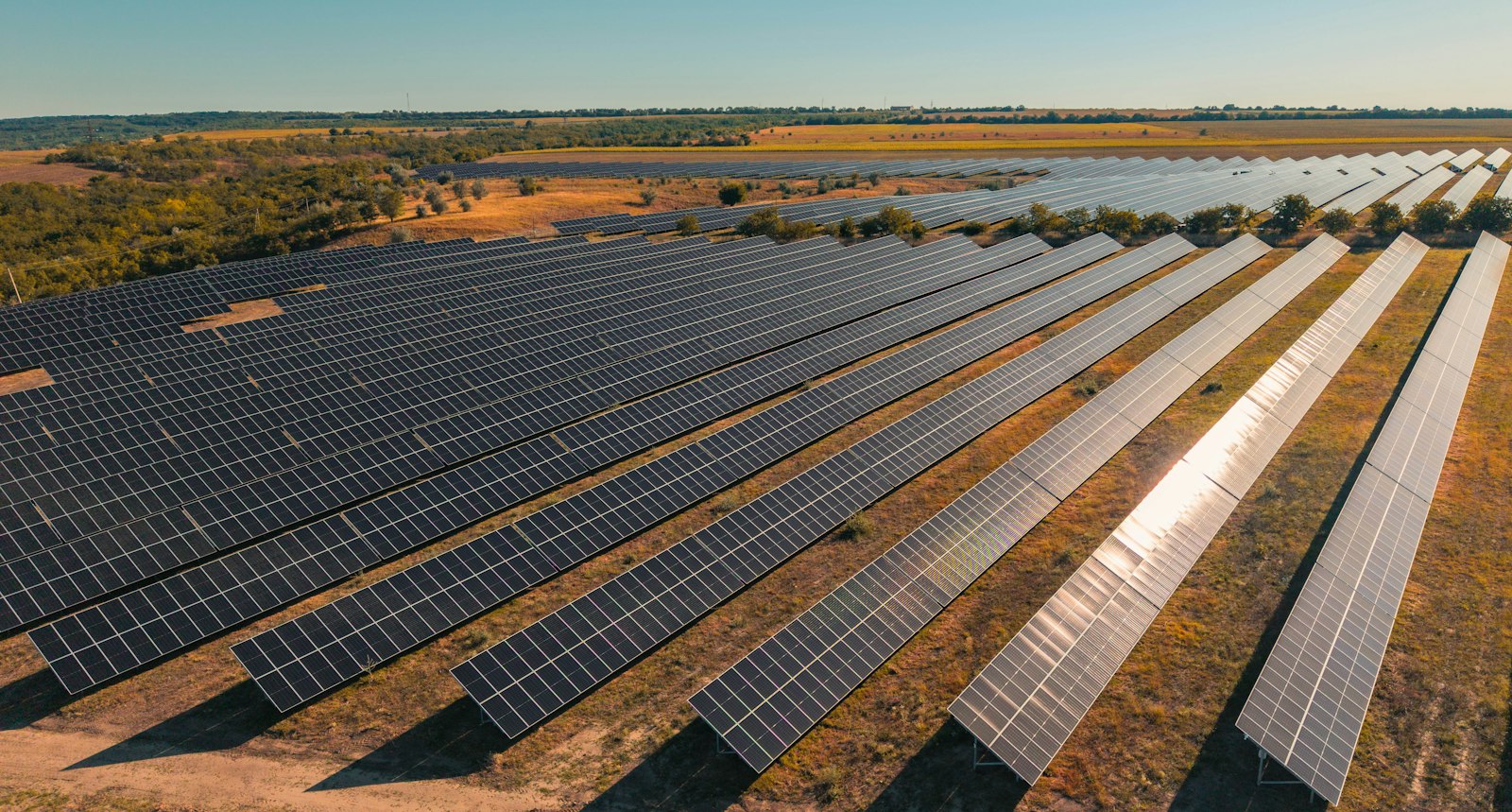
Rows of solar panels at a utility-scale solar farm

Solar and storageDuqm, Oman

Duqm Solar + Storage

A 400 MW solar plant paired with a 200 MWh battery supplies renewable power to Arkhos operations, replacing electricity that gas turbines would otherwise generate.

Solar 400 MWBattery 200 MWhOfftake Arkhos

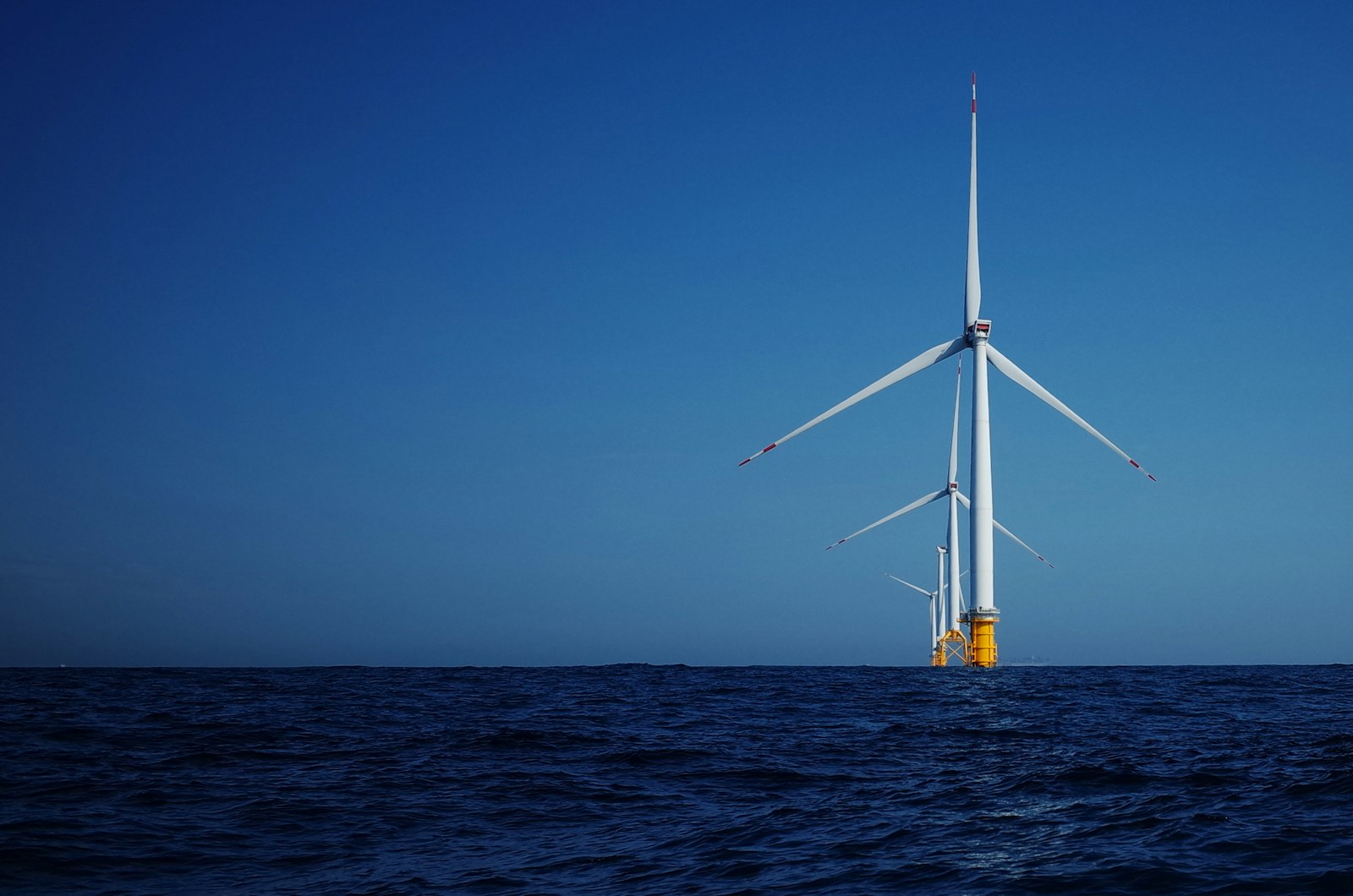
Offshore wind turbines standing at sea under a clear sky

Offshore windBaltic Sea

Baltic Wind JV

We hold 30% of a 1.1 GW offshore wind farm now in construction. Its power is contracted to run our Port Arden refinery from 2028.

Capacity 1.1 GWTurbines 73Stake 30%

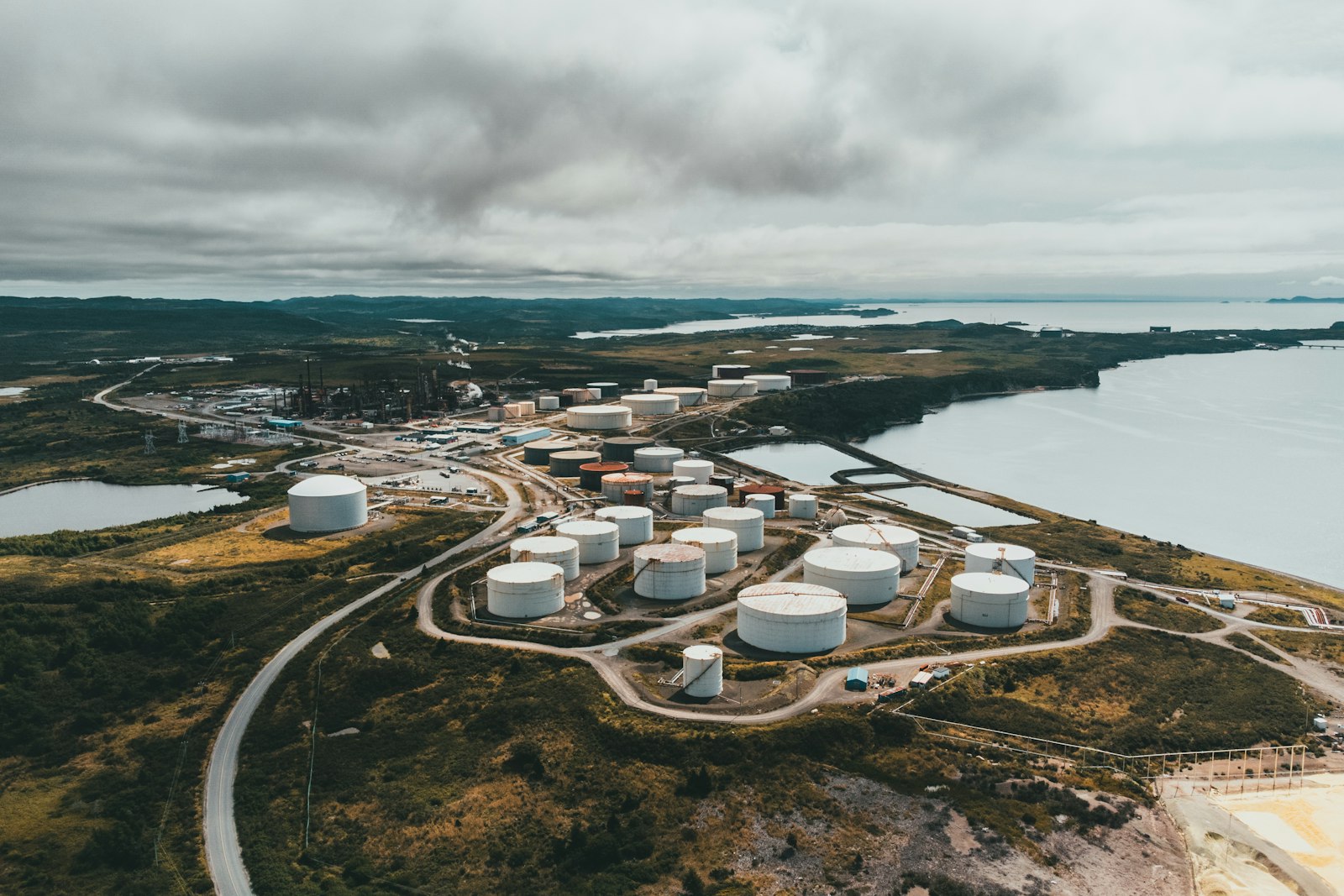
Aerial view of a coastal tank farm with rows of white storage tanks

Low-carbon fuelsRotterdam, Netherlands

Port Arden renewable diesel

Since 2021 a dedicated unit has turned used cooking oil and animal fats into renewable diesel, with up to 80% lower lifecycle emissions than the fossil fuel it replaces.

Capacity 20 kbbl/dSince 2021Feed Waste oils

Low-carbon share of capital spending11% of 18%

$1.6 billion in 2025, rising to 18% of the $38 billion 2026–2030 capital program.

Sanctioned CO₂ storage capacity5 of 10 Mtpa

Skerry Point phase one covers half of our 2035 storage target.

How a barrel moves.

A new field can take ten years to go from a seismic anomaly to first oil, then produce for decades. These are the four stages, and the decisions that move a barrel from one to the next.

Sand dunes stretching to the horizon at sunrise

Stage 1 of 4 · Typically 3 to 7 years

Find the resource, then prove it.

Geoscientists combine seismic surveys, well data and basin models to rank prospects by risked volume and cost of supply. When an exploration well finds hydrocarbons, appraisal wells and flow tests measure how large the accumulation is and how it will produce.

128%

Reserve replacement in 2025, from discoveries, extensions and revisions

Key data
Seismic, cores, well tests
Decision gate
Discovery to concept
Active frontier blocks
2

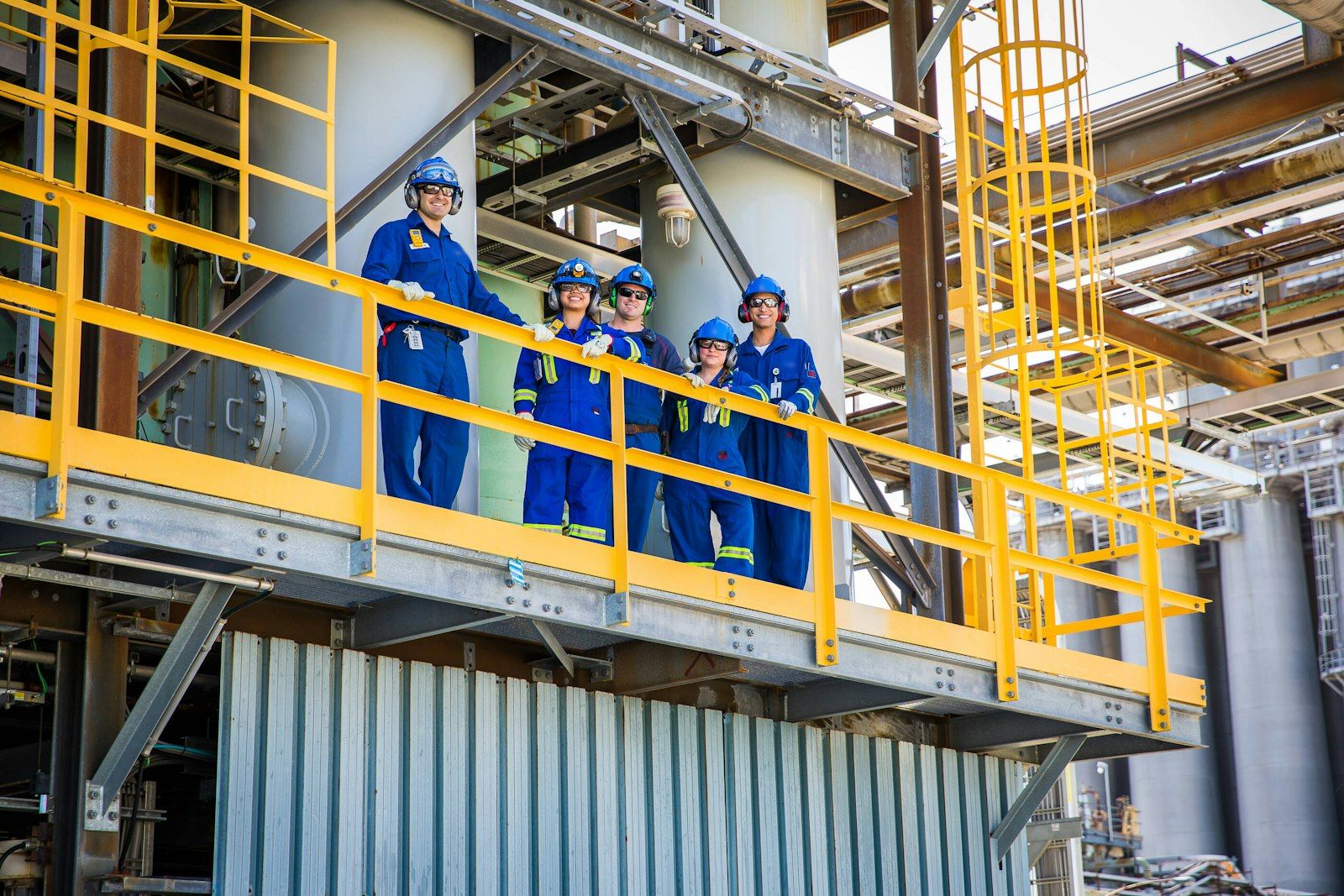
Everyone goes home safe, every shift.

Our 2025 safety record is the best in our history. We measure it the same way at every site, for employees and contractors alike.

0.19TRIR

Total recordable injuries per 200,000 hours worked, 2025

Down from 0.41 in 2019

0.05LTIF

Lost-time injuries per million hours worked, 2025

Down from 0.11 in 2019

0fatalities

Across all Arkhos-operated sites in 2025

Employees and contractors

3.1million hours

Worked offshore at Halcyon without a lost-time incident

Since first oil in 2024

Life-saving rules

Eight rules cover the activities behind most serious incidents in our industry. They apply to every employee and contractor on every Arkhos site, and anyone can stop a job they believe is unsafe without fear of blame.

If a job cannot be done safely, we do not do it. Stopping work is never the wrong call.
Ingrid Solberg
Chief Operating Officer

Recordable injury rate, 2019–2025

−54%
2019 · 0.412025 · 0.19
Permit to work
Hazardous work starts only with a valid permit, signed by the area authority and checked at the worksite. The permit lists the hazards, the isolations and the gas tests required, and it is suspended as soon as conditions change.
Energy isolation
Before anyone works on equipment, every source of energy is isolated, locked, tagged and proven dead. That includes electrical, pressure, hydraulic, mechanical and stored energy. Each person doing the work applies their own lock.
Working at height
Above 1.8 metres, use a fall-prevention system or a full-body harness clipped to an approved anchor point. Tools and loose items are tethered so that nothing can drop on people below.
Confined space
Enter only with a confined space permit, a completed gas test and a standby person at the entry point. The atmosphere is monitored for the whole job, and a rescue plan is in place before anyone goes in.
Bypassing safety controls
Never override or disable a safety-critical device, such as a trip, alarm, interlock or relief valve, without authorisation and a documented risk assessment. Every approved override is logged and has a fixed end time.
Driving
Wear a seatbelt, keep to the speed limit and never use a phone while driving. Follow the journey plan, take a break at least every two hours and drive no more than ten hours in a day.
Lifting operations
Every lift has a plan, a competent person in charge and certified equipment. Nobody stands under a suspended load, and lifting stops when the wind exceeds the crane's rated limit.
Line of fire
Keep yourself out of the path of moving equipment, released energy and dropped objects. Position your body so that if something fails, it cannot hit you.

See the projects that will carry our production into the 2030s.

From Corvina LNG Train 2 to Skerry Point CCS, follow what we are building, where, and when each project starts up. Talk to us about partnering, supplying or investing.